Feline diabetes is a condition that affects thousands of cats every year, and understanding feline diabetes early can make a life-changing difference for your cat’s long-term health. With the right care, many diabetic cats go on to live happy, comfortable, and fulfilling lives. This guide explains what causes the condition, how to spot symptoms, and how you can support your cat with kindness and confidence.
What Is Feline Diabetes?
Feline diabetes occurs when a cat’s body can’t properly regulate blood sugar. This usually happens because the pancreas isn’t producing enough insulin, or the body becomes resistant to the insulin that is produced. Without insulin working correctly, glucose builds up in the bloodstream instead of fuelling the body’s cells.
This disease is similar to Type 2 diabetes in humans and is becoming increasingly common, partly due to rising rates of feline obesity.
Symptoms of Feline Diabetes
Understanding the early signs of feline diabetes is key to ensuring timely veterinary care. The most common symptoms include:
- Increased thirst and urination
- You may notice your cat emptying their water bowl more often or visiting the litter tray frequently.
- Weight loss despite good appetite
- Diabetic cats often lose weight because their bodies can’t properly use glucose for energy.
- Lethargy or reduced activity
- Cats may seem more tired than usual or less interested in play.
- Changes in coat condition
- A lacklustre or unkempt coat can signal underlying metabolic issues.
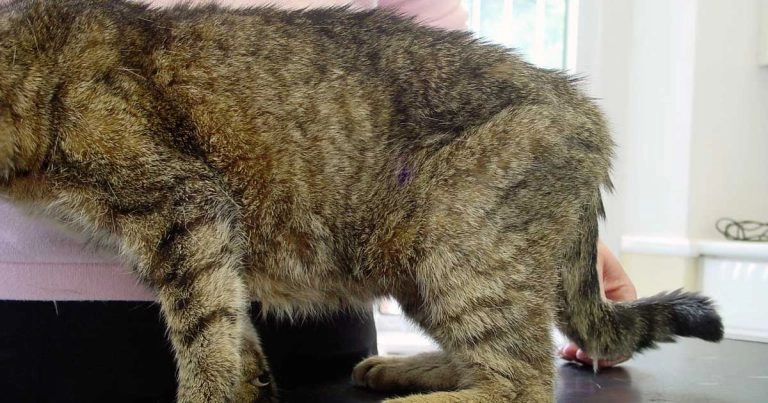
- Weakness in the back legs
- A classic sign known as “diabetic neuropathy” may cause cats to walk flat-footed.
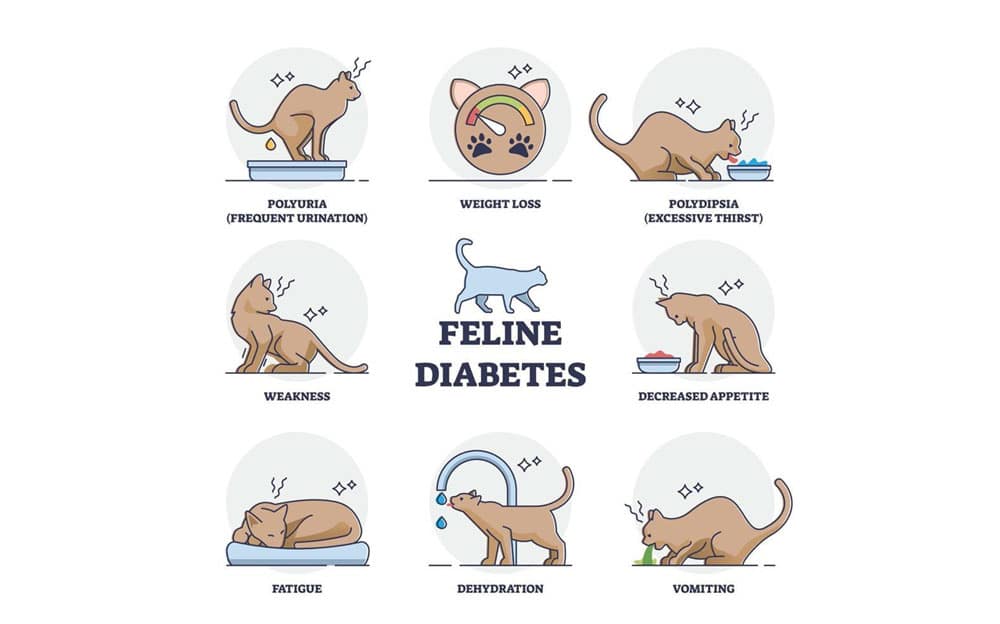
If you ever notice these symptoms, a prompt vet visit is essential. Early diagnosis often leads to better outcomes.
Causes and Risk Factors
Several factors contribute to the development of feline diabetes, including:
- Obesity – the number one preventable risk factor
- Male cats over 7 years old
- Indoor-only lifestyle with minimal exercise
- Poor-quality or high-carb diets
- Pancreatitis or other metabolic conditions
While genetics play a role, diet and lifestyle are major contributors, which means proactive care truly can make a difference.
How Feline Diabetes Is Diagnosed
Your vet will typically run:
- Blood glucose tests
- Urinalysis
- Possible fructosamine testing (to check long-term glucose levels)
Accurate diagnosis is important because symptoms can overlap with other conditions such as hyperthyroidism or kidney disease.
Caring for a Cat With Feline Diabetes
- Dietary Management
A high-protein, low-carbohydrate diet often helps stabilise blood sugar levels. Many diabetic cats improve significantly with dietary changes alone.
- Insulin Therapy
Some cats require daily insulin injections. Although this may sound daunting, most owners find the process becomes routine quickly. Your vet will guide you on correct dosage and technique.
- Routine Monitoring
Monitoring may include:
- Regular blood tests
- Home glucose checks
- Tracking water intake and appetite
Supportive care helps your cat feel stable, safe, and comfortable.
- Healthy Weight Management
Keeping your cat at a healthy weight is one of the most important long-term steps. Play sessions, food puzzles, and slow-feeding strategies can help maintain mobility and mental stimulation.
Preventing Feline Diabetes
Even if your cat isn’t diabetic, these simple steps help reduce risk:
- Feed a balanced, species-appropriate diet
- Maintain a healthy weight
- Encourage exercise and enrichment
- Schedule yearly vet checks (twice yearly for senior cats)
Prevention is always kinder, more affordable, and less stressful for both you and your cat.
When to Seek Help
If you notice sudden changes in weight, excessive thirst, or unusual behaviour, always seek veterinary advice promptly. Untreated feline diabetes can progress to life-threatening complications, but early intervention dramatically improves outcomes.
At KittyCat Gifts, we believe all cats deserve the chance to live well. Access to good information, proper care, and compassionate support can change a cat’s life — and yours.